A Seasonal Wardrobe Without the Big Reset
A smaller approach to changing clothes with the weather: rotate a few pieces, keep visibility high and avoid the annual overhaul.
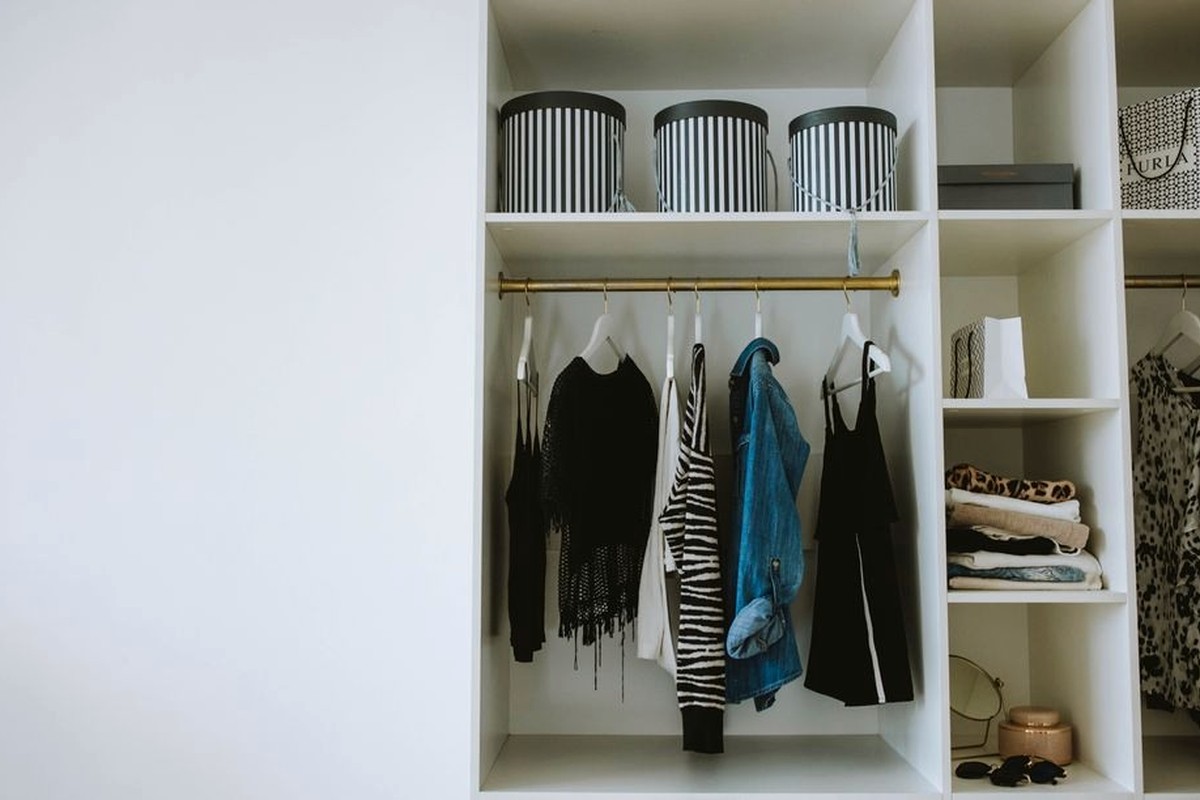
The dramatic seasonal wardrobe reset is satisfying in theory: empty every shelf, sort every garment, rebuild everything from scratch. In practice, it often turns an ordinary Sunday into a project. A lighter method works better for most homes.
Instead of resetting the whole closet, rotate only the pieces whose usefulness genuinely changes with the weather. Heavy knitwear can move forward as temperatures drop. Linen shirts can move higher or farther back. Everyday trousers, jackets and shirts can stay where they are.
Keep the active rail honest
The most useful part of a wardrobe is the section you can see without moving anything. Treat that space as an active rail. It should contain the clothes you are realistically wearing now, not aspirational outfits or pieces waiting for the right occasion.
If something remains untouched for several weeks, ask a practical question before removing it: is the problem weather, fit, repair, or simply visibility? A missing button needs a repair basket. A summer shirt in November needs storage. A perfectly good jacket hidden behind formalwear just needs a better position.
Rotate by category, not by season
Changing one category at a time keeps the task small. Start with outerwear one week, footwear the next, then knitwear. This also makes it easier to spot gaps. If every cold-weather layer is dark and heavy, for example, you may realize that one lighter cardigan would be more useful than another coat.
Containers should serve the same clarity. One labeled box for truly off-season pieces is usually better than several vague storage bags. The goal is not to hide clothes efficiently; it is to keep the current wardrobe easy to read.
Finish with maintenance
A seasonal shift is a good moment to wash, brush, mend and air things before they move. Store clean garments, empty pockets, remove dry-cleaning covers and make sure shoes are dry. These small steps matter more than elaborate folding systems.
A useful wardrobe is not the one with the fewest items or the most beautiful arrangement. It is the one that reduces friction in the morning. By changing only what the weather actually changes, the closet stays calm without requiring a full-scale reset every few months.